
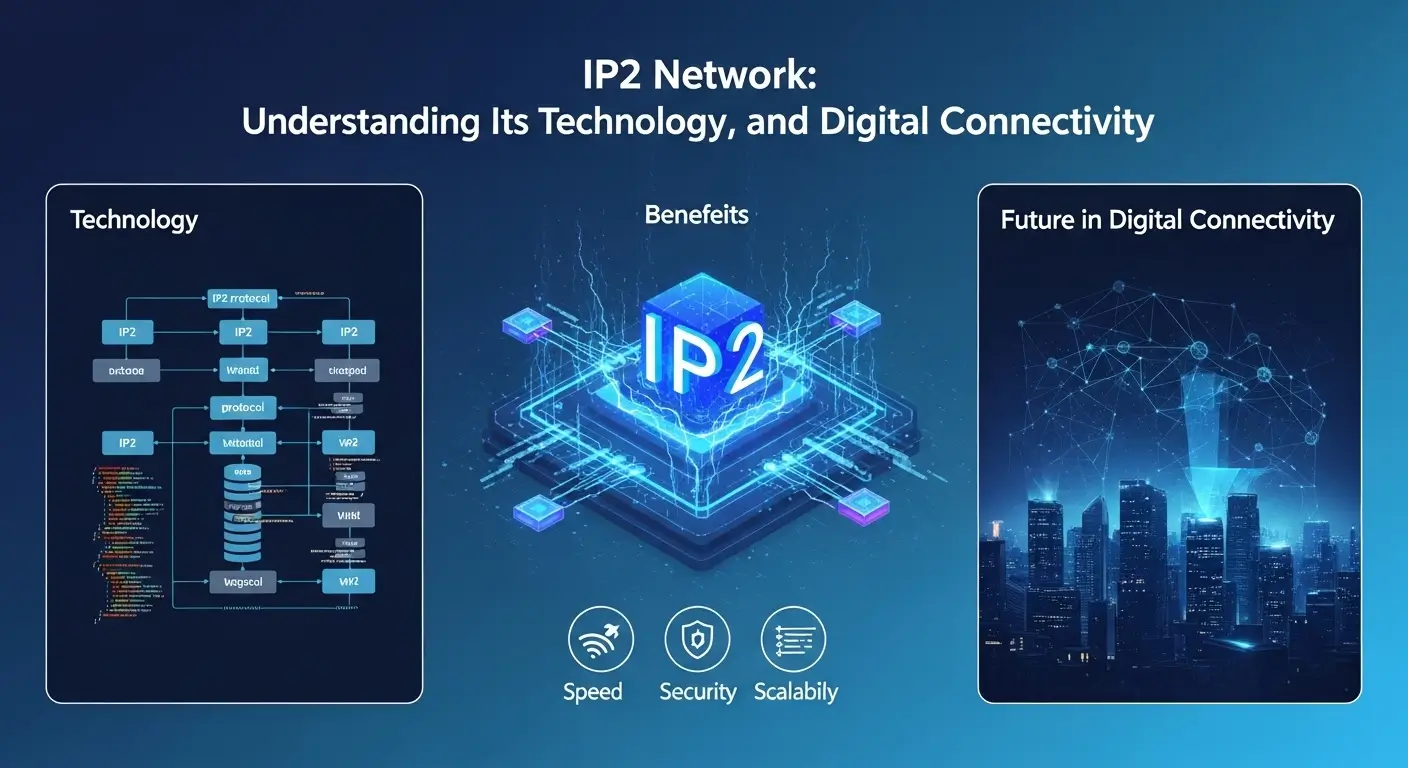
The internet is built on networks that connect millions of devices around the world. These networks allow people to communicate, share information, run businesses, and access services instantly. One term that has started gaining attention in digital discussions is the IP2 network. While many people are familiar with basic internet protocols, the idea of an IP2 network introduces a more advanced approach to managing connections and data flow across modern systems.
An IP2 network represents a concept where network communication, identification, and connectivity evolve beyond traditional structures. It focuses on better efficiency, security, and scalability, making it an important topic for anyone interested in modern networking technology.
This article explores the IP2 network in detail—what it is, how it works, why it matters, and how it could shape the future of digital communication.
What Is an IP2 Network?
An IP2 network refers to an advanced networking concept that improves how internet protocol systems manage devices, data routing, and communication between different digital environments. It builds upon the traditional Internet Protocol (IP) model but aims to solve some of the challenges faced by modern networks.
In simple terms, the IP2 network focuses on:
- Efficient data transmission
- Stronger security layers
- Flexible device connectivity
- Better scalability for growing networks
As digital technology expands, billions of devices connect to the internet. The IP2 network approach aims to handle this growth more effectively.
The Evolution of Internet Protocol Networks
To understand the IP2 network concept, it helps to look at the history of internet protocols.
Early Internet Protocol Systems
The internet originally relied on basic IP structures to connect computers. Each device received a unique address that allowed it to send and receive data.
Key characteristics of early IP systems included:
- Simple address structures
- Basic routing mechanisms
- Limited security features
These systems worked well when the internet was smaller.
Growth of the Internet
Over time, the internet expanded rapidly. Today there are billions of connected devices, including:
- Smartphones
- Laptops
- Smart home devices
- Industrial machines
- Cloud servers
This growth created new challenges such as network congestion, security risks, and complex routing needs.
The Need for Advanced Networking
As networks became more complex, experts began exploring improved architectures. Concepts like the IP2 network emerged to address modern requirements such as:
- High-speed communication
- Large-scale device management
- Advanced network security
- Cloud-based infrastructure
Core Components of an IP2 Network
An IP2 network is built around several essential components that work together to improve connectivity.
1. Advanced Addressing Systems
Traditional IP systems rely on numeric addresses. The IP2 network may introduce more flexible addressing methods that make it easier to manage large numbers of devices.
Benefits include:
- Easier device identification
- Improved routing efficiency
- Simplified network management
2. Intelligent Data Routing
Data routing determines how information travels across networks. In an IP2 network, routing systems can become smarter by using automated decision-making and optimization.
These improvements can lead to:
- Faster data transmission
- Reduced network congestion
- Improved reliability
3. Enhanced Security Framework
Security is one of the biggest concerns in modern networking. Cyberattacks, data breaches, and malware threats continue to increase each year.
An IP2 network framework may integrate stronger security features such as:
- Built-in encryption
- Identity verification systems
- Secure communication channels
These measures help protect both users and organizations.
4. Scalable Infrastructure
Modern networks must support millions or even billions of connections. The IP2 network concept focuses on scalability, meaning it can grow without losing performance.
This is especially important for:
- Cloud computing platforms
- Internet of Things (IoT) systems
- Global communication networks
How an IP2 Network Works
The IP2 network operates by combining improved protocol structures with intelligent network management.
Basic Workflow
A typical IP2 network communication process may follow these steps:
- A device sends a request to connect or transfer data.
- The network identifies the device using advanced addressing methods.
- Intelligent routing systems determine the best path for data.
- Security layers verify and encrypt the transmission.
- The receiving device processes the data safely.
This structured approach allows networks to operate efficiently even under heavy traffic.
Benefits of an IP2 Network
The IP2 network model offers several advantages compared to traditional networking systems.
Faster Data Communication
Optimized routing algorithms allow data to travel across networks more efficiently. This reduces delays and improves overall performance.
Improved Network Security
Built-in security features protect sensitive data and reduce vulnerabilities.
Possible benefits include:
- Protection against cyberattacks
- Safer online communication
- Secure digital transactions
Better Device Management
With billions of devices connecting to networks, managing them becomes difficult. The IP2 network introduces systems that simplify device identification and control.
Greater Reliability
Network outages and congestion can disrupt services. Advanced routing and monitoring systems help ensure consistent performance.
Real-World Applications of IP2 Network Technology
Although the concept may still be evolving, many industries can benefit from IP2 network principles.
Cloud Computing
Cloud platforms rely on large-scale networks to deliver services. The IP2 network approach helps cloud systems manage data efficiently.
Examples include:
- Online storage services
- Streaming platforms
- Software-as-a-service applications
Internet of Things (IoT)
The IoT ecosystem includes smart devices that communicate with each other.
Examples include:
- Smart home systems
- Wearable devices
- Industrial sensors
The IP2 network helps manage the large number of connections required for IoT environments.
Smart Cities
Modern cities use connected systems to improve infrastructure and services.
Possible applications include:
- Traffic monitoring systems
- Smart lighting networks
- Public safety systems
These systems rely on reliable networking to function effectively.
Online Gaming and Streaming
Gaming platforms require fast and stable connections. The IP2 network can support low-latency communication, improving the player experience.
Similarly, streaming services depend on efficient data delivery to maintain video quality.
Key Technologies Supporting IP2 Networks
Several emerging technologies help support the development of IP2 networks.
Artificial Intelligence in Networking
AI systems can analyze network traffic and optimize data routing automatically.
Benefits include:
- Predicting network congestion
- Improving traffic distribution
- Detecting security threats
Edge Computing
Edge computing processes data closer to the user rather than relying entirely on centralized servers.
This approach reduces latency and improves performance, making it compatible with IP2 network principles.
5G Connectivity
The rollout of 5G networks has significantly increased internet speeds and device connectivity. The IP2 network model can complement 5G infrastructure by improving data routing and network management.
Challenges Facing IP2 Network Development
While the concept offers many benefits, there are also challenges to consider.
Infrastructure Costs
Upgrading networks requires investment in hardware, software, and training.
Organizations may need to:
- Replace outdated systems
- Implement new security protocols
- Train network engineers
Compatibility Issues
Existing systems must be able to work with new technologies. Ensuring compatibility between traditional networks and IP2 frameworks can be complex.
Security Risks During Transition
Whenever networks evolve, new vulnerabilities may appear. Careful planning is necessary to maintain security during implementation.
Future Potential of IP2 Networks
As digital connectivity continues to expand, advanced networking models will play a crucial role in shaping the internet’s future.
Supporting Global Connectivity
By improving efficiency and scalability, the IP2 network can help connect remote regions and underserved communities.
Powering Next-Generation Technologies
Future technologies may rely heavily on advanced networking, including:
- Autonomous vehicles
- Virtual reality environments
- Remote healthcare systems
- Smart industrial automation
The IP2 network framework could help support these innovations.
Strengthening Cybersecurity
Security will remain a priority in the digital age. Advanced networking models will likely integrate stronger protections directly into the protocol structure.
Best Practices for Organizations Exploring IP2 Networks
Companies considering modern networking systems can follow several best practices.
1. Assess Current Infrastructure
Organizations should evaluate their existing networks to identify limitations and upgrade opportunities.
2. Invest in Skilled Professionals
Network engineers and cybersecurity specialists play an essential role in implementing advanced systems.
3. Focus on Security
Security must remain a priority when adopting new networking models.
4. Plan Gradual Implementation
Instead of replacing entire systems at once, organizations often adopt new technologies in stages.
Why the IP2 Network Matters Today
Digital transformation continues to reshape industries and everyday life. From remote work to cloud computing and smart devices, modern society depends on reliable connectivity.
The IP2 network concept represents an effort to improve how networks handle this growing demand. By introducing better routing systems, stronger security features, and scalable infrastructure, it offers a path toward more efficient and secure digital communication.
Final Thoughts
The internet has evolved tremendously since its early days, and the demand for faster, safer, and more reliable networks continues to grow. The IP2 network concept reflects this evolution by focusing on improved connectivity, intelligent data management, and enhanced security.
Although still developing in many areas, the principles behind IP2 networks are already influencing modern networking solutions. As technology advances, these systems could become a key part of the digital infrastructure that supports everything from smart homes to global communication platforms.
Understanding the IP2 network today helps individuals and organizations prepare for the future of connectivity—one where networks are smarter, faster, and more secure than ever before.