
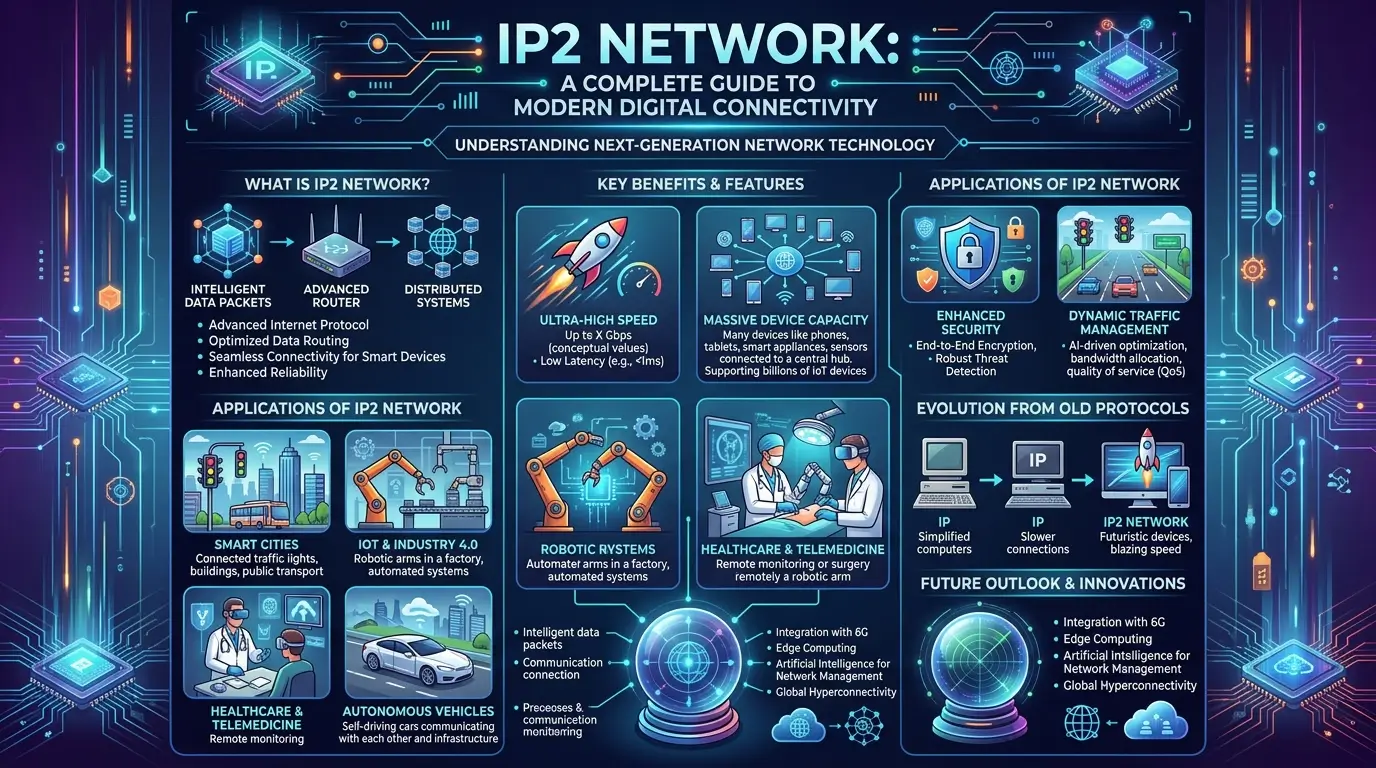
The internet has transformed the way people communicate, work, learn, and share information. Behind every online activity is a system of networks that allows devices to connect and exchange data instantly. One term that is gaining attention in discussions about digital communication and online infrastructure is IP2 Network.
Whether you are a student, technology enthusiast, business owner, or simply curious about networking systems, understanding IP2 Network can help you better understand how modern internet communication works.
Networks play a major role in today’s connected world. From streaming videos and online gaming to cloud computing and smart devices, everything depends on stable and efficient digital networks. IP2 Network represents a modern approach to connectivity, communication, and internet-based systems.
In this detailed guide, you will learn:
- What IP2 Network is
- How network systems work
- The importance of IP-based communication
- Benefits of IP2 Network
- Common uses and applications
- Security considerations
- Future trends in networking technology
Let’s explore everything step by step.
What Is IP2 Network?
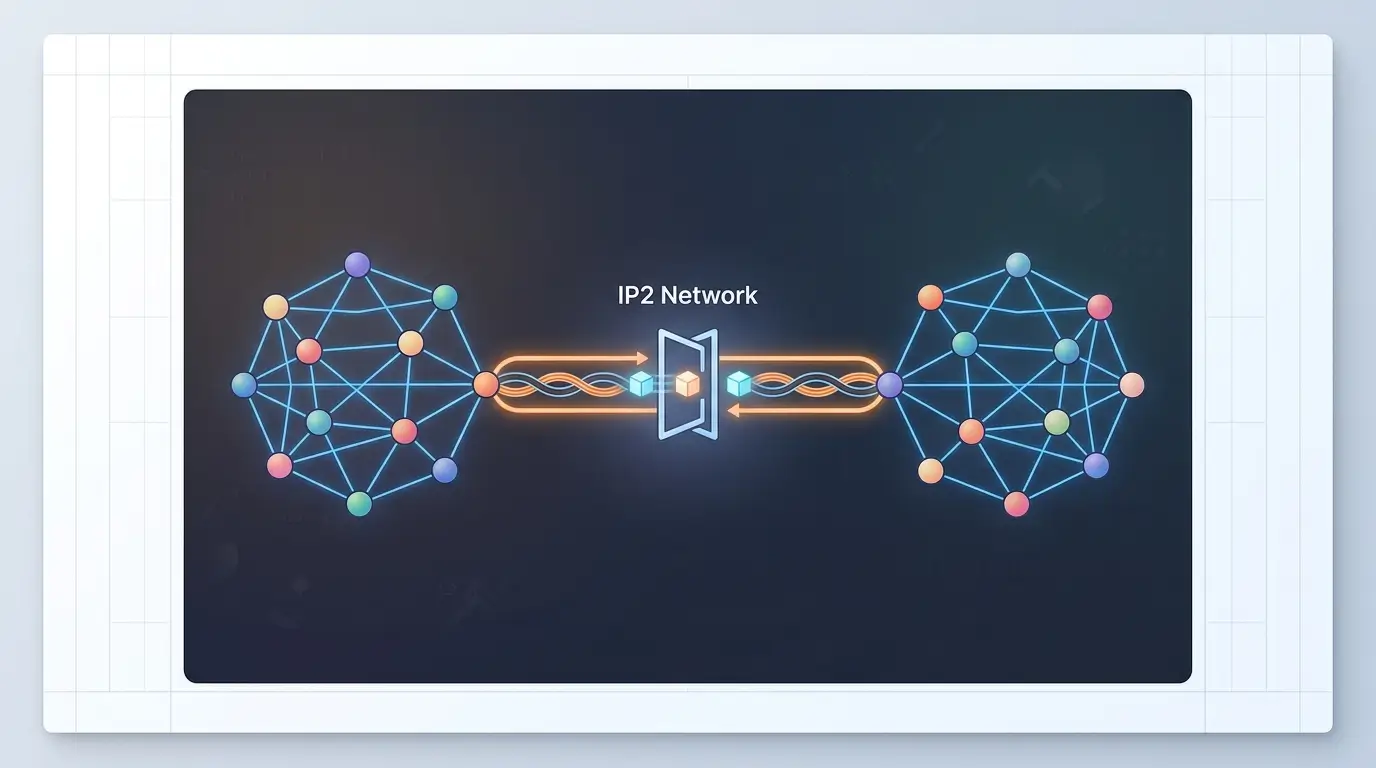
IP2 Network refers to a digital networking structure or system that relies on Internet Protocol (IP) communication for transferring data between devices, systems, or servers across networks.
Internet Protocol is the foundation of modern internet communication. Every device connected to the internet uses IP addresses to send and receive information.
An IP2 Network generally focuses on:
- Fast data communication
- Device connectivity
- Efficient information transfer
- Network scalability
- Secure communication systems
Modern networking technologies depend heavily on IP-based systems because they allow devices worldwide to communicate smoothly.
Understanding Internet Protocol (IP)
To understand IP2 Network properly, it is important to first understand Internet Protocol itself.
What Is an IP Address?
An IP address is a unique number assigned to devices connected to a network.
It works like a digital home address that helps identify devices online.
Examples include:
- 192.168.1.1
- 10.0.0.1
Without IP addresses, internet communication would not work properly.
How IP Communication Works
When you open a website, send a message, or watch a video online, data travels through networks using IP systems.
Basic Process of IP Communication
- A device sends a request
- The request travels through routers and servers
- The destination server processes the request
- Data is sent back to the user
This entire process happens within seconds.
IP2 Network systems are designed to improve this communication process efficiently.
Importance of Modern Networking Systems
Digital networks are now essential for almost every industry.
Areas That Depend on Networks
- Education
- Healthcare
- Banking
- Entertainment
- E-commerce
- Government systems
- Social media
- Cloud computing
Without reliable networks, modern digital services would not function effectively.
Key Features of IP2 Network
IP2 Network systems often include several important features that improve performance and reliability.
1. High-Speed Data Transfer
Fast communication improves user experience and productivity.
2. Scalability
Networks can expand as user demands grow.
3. Secure Connectivity
Modern networks include security measures to protect information.
4. Device Compatibility
Different devices can connect easily across the network.
5. Reliable Communication
Stable networks reduce downtime and connection issues.
How IP2 Network Supports Digital Communication
Communication technology depends heavily on network infrastructure.
IP2 Network supports services such as:
- Video conferencing
- Online gaming
- Messaging apps
- Cloud storage
- Streaming platforms
Fast and stable connections improve overall communication quality.
Types of Networks Related to IP Systems
Different types of networks serve different purposes.
Local Area Network (LAN)
A LAN connects devices within a small area such as a home, school, or office.
Wide Area Network (WAN)
A WAN covers larger geographic areas and connects multiple LANs.
Wireless Networks
Wireless systems use Wi-Fi and mobile technology for connectivity.
Cloud Networks
Cloud-based systems allow remote access to data and applications.
IP2 Network technologies may operate within one or multiple network structures.
Benefits of IP2 Network
Modern IP-based networks provide many advantages.
Faster Connectivity
Efficient data routing improves speed.
Better Communication
Real-time communication becomes easier and smoother.
Remote Accessibility
Users can connect from different locations worldwide.
Improved Business Operations
Businesses rely on networks for communication and data management.
Cost Efficiency
Digital communication reduces infrastructure and operational costs.
IP2 Network in Businesses
Businesses today depend heavily on networking systems.
Common Business Uses
- Video meetings
- File sharing
- Online collaboration
- Customer support systems
- Cloud computing
- Remote work environments
A reliable IP2 Network system improves workflow and operational efficiency.
Role of IP2 Network in Education
Education has changed dramatically due to digital learning systems.
Educational Applications
- Online classes
- Virtual learning platforms
- Student portals
- Digital assignments
- Cloud-based resources
Students and teachers rely on network systems for smooth online learning experiences.
IP2 Network and Cloud Computing
Cloud computing is one of the biggest technological advancements of recent years.
What Is Cloud Computing?
Cloud computing allows users to store and access data online instead of using local storage devices.
Examples include:
- Online document storage
- Streaming services
- Cloud applications
IP2 Network systems help cloud services operate efficiently.
Importance of Network Security
As networks become more advanced, cybersecurity becomes more important.
Common Security Risks
- Data breaches
- Malware attacks
- Unauthorized access
- Phishing scams
- Network hacking
Strong security systems are essential for protecting sensitive information.
Security Features in Modern Networks
IP2 Network systems may include advanced security protections.
Firewalls
Firewalls monitor and block suspicious activity.
Encryption
Encryption protects data during transmission.
Authentication Systems
Login verification improves access security.
VPN Technology
Virtual Private Networks improve privacy and secure communication.
How IP2 Network Supports Remote Work
Remote work has grown rapidly worldwide.
Employees now depend on reliable digital communication systems.
Remote Work Tools
- Video conferencing
- Shared cloud storage
- Team collaboration apps
- Virtual private networks
IP2 Network technology helps businesses maintain productivity from remote locations.
Smart Devices and Network Connectivity
Modern homes and workplaces use smart devices connected through networks.
Examples of Smart Devices
- Smart TVs
- Security cameras
- Smart speakers
- Smart thermostats
- Wearable devices
These devices rely on IP-based communication systems.
Internet Speed and Network Performance
Network performance affects user experience significantly.
Factors Affecting Network Speed
Bandwidth
Higher bandwidth supports faster data transfer.
Latency
Low latency improves real-time communication.
Signal Strength
Strong connections improve stability.
Network Traffic
Heavy traffic can slow performance.
Efficient IP2 Network systems aim to optimize these factors.
Role of Routers in IP Networks
Routers are essential devices in networking systems.
What Routers Do
- Direct data traffic
- Connect multiple devices
- Manage internet access
- Improve communication efficiency
Without routers, internet communication would be chaotic and inefficient.
Future of Networking Technology
Technology continues evolving rapidly.
Emerging Networking Trends
5G Technology
Faster mobile communication networks.
Artificial Intelligence
AI helps optimize network performance.
Internet of Things (IoT)
More devices are becoming internet-connected.
Edge Computing
Data processing happens closer to users for faster performance.
IP2 Network systems may continue adapting to these technologies.
Challenges Facing Modern Networks
Despite technological progress, networks still face challenges.
Common Challenges
- Cybersecurity threats
- Network congestion
- Hardware failures
- Internet outages
- Data privacy concerns
Continuous innovation is needed to improve network reliability and safety.
IP2 Network and Streaming Services
Streaming platforms rely heavily on strong network systems.
Popular Streaming Activities
- Watching movies
- Live streaming
- Online gaming streams
- Music streaming
Fast networks reduce buffering and improve quality.
Online Gaming and Network Performance
Gaming performance depends greatly on network quality.
Important Gaming Factors
Low Latency
Reduces lag during gameplay.
Stable Connection
Prevents disconnections.
Fast Speed
Improves downloads and updates.
Gamers often prioritize strong network infrastructure for smoother experiences.
Advantages of Digital Networking in Daily Life
People use digital networks every day without even noticing.
Everyday Uses
- Sending emails
- Browsing websites
- Online shopping
- Social media communication
- Digital banking
- Navigation systems
IP-based networks make modern convenience possible.
Environmental Impact of Digital Networks
Technology also affects energy usage and sustainability.
Positive Environmental Effects
- Reduced paper use
- Less travel due to remote work
- Digital communication replacing physical systems
Challenges
- Data center energy consumption
- Electronic waste
- Growing infrastructure demands
Future networks may focus more on energy efficiency.
How Students Can Learn Networking Basics
Networking knowledge is becoming increasingly valuable.
Beginner Learning Tips
- Learn basic IP concepts
- Understand routers and servers
- Study internet communication methods
- Practice using networking tools
- Explore cybersecurity basics
Networking skills can open many career opportunities.
Careers Related to Networking
The networking industry offers many career paths.
Popular Networking Careers
- Network engineer
- Cybersecurity specialist
- Cloud architect
- IT support technician
- Systems administrator
- Data analyst
As technology grows, demand for networking professionals continues increasing.
Importance of Cyber Awareness
Users should understand basic online safety practices.
Simple Safety Tips
- Use strong passwords
- Avoid suspicious links
- Update software regularly
- Enable two-factor authentication
- Avoid unsecured public Wi-Fi
Security awareness protects both personal and business information.
Difference Between Traditional and Modern Networks
Networking technology has improved significantly over time.
Traditional Networks
- Slower speeds
- Limited scalability
- Basic security features
Modern Networks
- High-speed connectivity
- Cloud integration
- Advanced cybersecurity
- Remote accessibility
IP2 Network systems reflect the shift toward smarter and more efficient communication.
Frequently Asked Questions
What Is IP2 Network Used For?
IP2 Network supports digital communication, internet connectivity, and data transfer across devices and systems.
Is IP2 Network Important for Businesses?
Yes. Businesses rely on modern networking systems for communication, cloud services, and remote work.
How Does IP Communication Work?
IP systems route data between devices using unique IP addresses.
Can Network Security Prevent Cyber Threats?
Strong security systems reduce risks significantly, though no network is completely immune to threats.
Final Thoughts
IP2 Network represents the growing importance of modern digital communication systems in today’s connected world. From online learning and cloud computing to remote work and entertainment, networks play a central role in everyday life.
As technology continues evolving, efficient and secure networking systems will become even more important. Understanding how IP-based communication works helps individuals and businesses adapt to the rapidly changing digital environment.
Whether you are exploring networking out of curiosity, studying technology, or working in a digital field, learning about IP2 Network provides valuable insight into the systems that power the internet and modern communication.
The future of networking will likely focus on faster speeds, smarter security, improved connectivity, and more advanced digital experiences. IP2 Network stands as an example of how internet technology continues shaping the modern world.