
Introduction
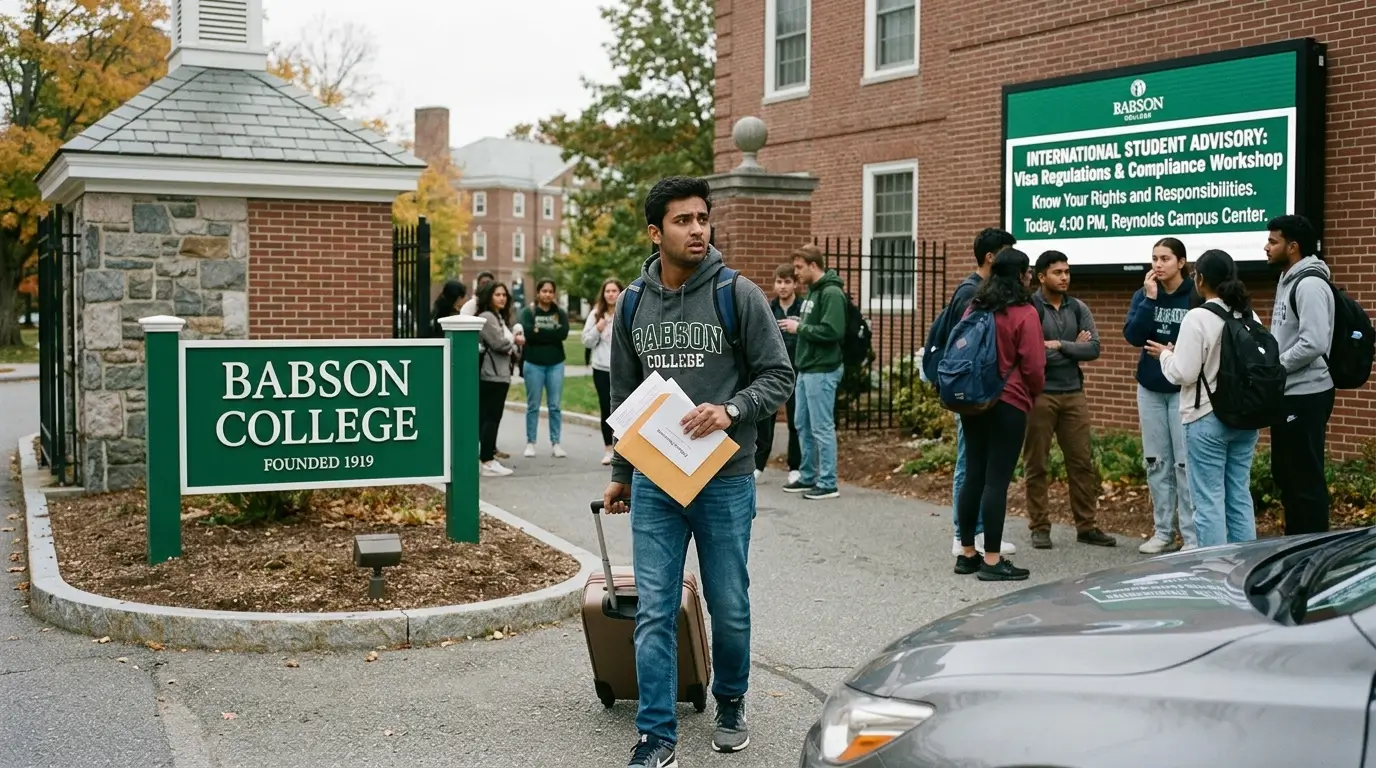
The news surrounding a Babson College student deported from the United States quickly attracted national attention. The incident raised important questions about student visas, immigration enforcement, higher education policies, and the responsibilities of international students studying in the U.S. While the case involved one student, it also sparked wider discussions about how immigration laws affect thousands of students pursuing their education abroad.
Every year, more than one million international students travel to the United States to attend colleges and universities. They contribute billions of dollars to the U.S. economy, strengthen cultural diversity on campuses, and help universities build global connections. However, studying in another country also comes with legal responsibilities. Even small mistakes related to visa status, employment, or documentation can sometimes lead to serious immigration consequences.
The Babson College student deported case serves as a reminder that maintaining legal immigration status is just as important as maintaining good academic performance. It also highlights the challenges that universities face when trying to support students during unexpected immigration issues.
This article explains what happened, why the incident became widely discussed, how U.S. immigration rules apply to international students, and what lessons current and future students can learn from this situation.
What Happened?
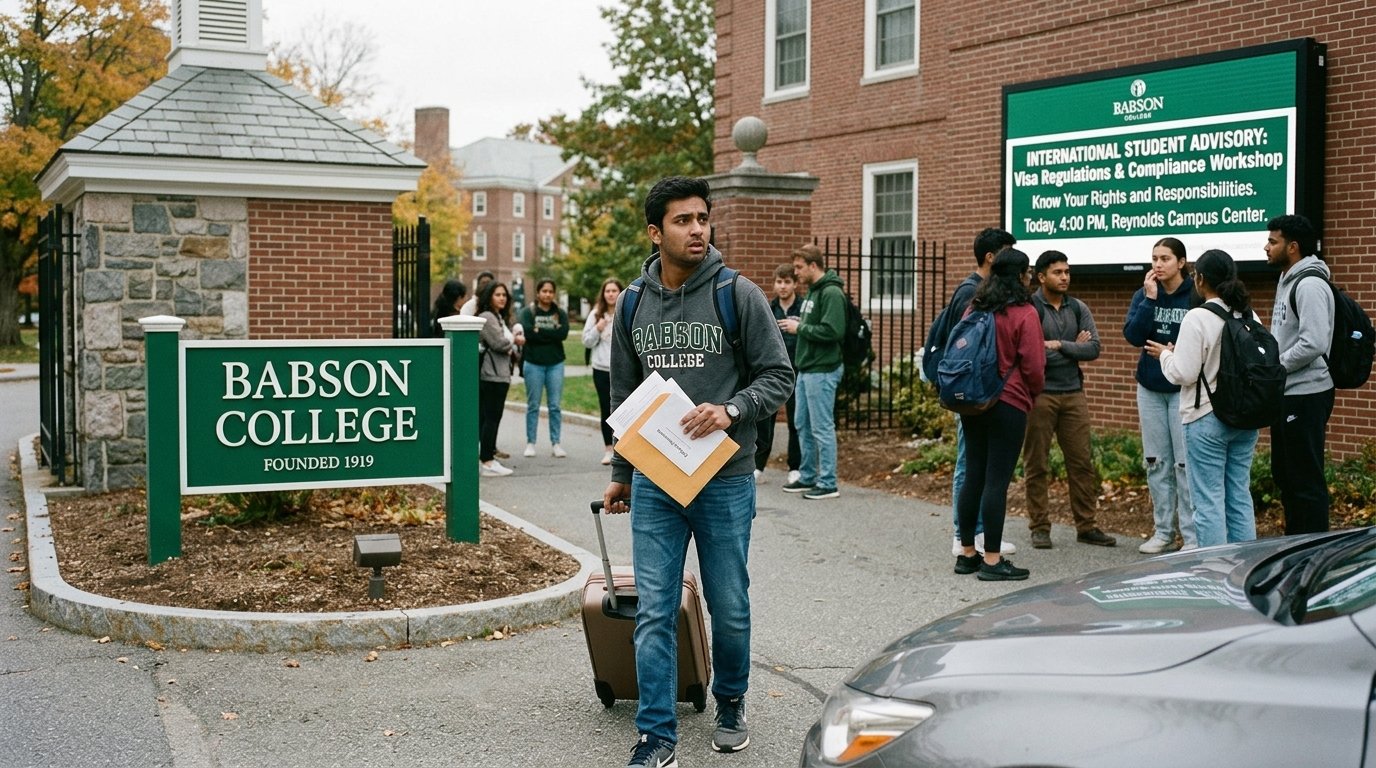
Reports indicated that a student enrolled at Babson College became involved in immigration proceedings that eventually resulted in deportation from the United States.
The incident attracted widespread media coverage because:
- Babson College has a strong international reputation.
- International students are generally expected to maintain lawful status throughout their studies.
- Immigration enforcement involving college students often raises concerns about fairness and due process.
While many people initially speculated about the reasons behind the deportation, immigration cases are rarely simple. Deportation decisions usually involve legal reviews, immigration regulations, documentation, and individual circumstances rather than a single event.
Because immigration records are often protected by privacy laws, not every detail becomes public. This sometimes leads to misinformation online.
For that reason, it is important to rely on verified information instead of social media speculation whenever discussing cases involving deportation.
Why Was the Student Deported?
One of the most common questions people ask after hearing about a Babson College student deported is why such action would occur.
In general, deportation of an international student can happen for several legal reasons, including:
1. Visa Status Violations
Students studying in the United States usually hold an F-1 student visa.
Maintaining this visa requires students to:
- Remain enrolled full-time.
- Make satisfactory academic progress.
- Keep immigration documents current.
- Notify authorities of required changes.
- Follow employment restrictions.
Failure to meet these requirements may place a student’s immigration status at risk.
2. Criminal Charges
Although being charged with a crime does not automatically lead to deportation, certain criminal offenses may trigger immigration consequences depending on the facts of the case and applicable law.
Examples may include:
- Serious assault
- Drug-related offenses
- Fraud
- Theft involving certain circumstances
Every case is reviewed individually.
3. Immigration Documentation Problems
Errors involving immigration paperwork can also create problems.
Examples include:
- Expired immigration documents
- Failure to report address changes
- Incorrect visa information
- Administrative mistakes that remain unresolved
Sometimes these issues can be corrected quickly, while others require formal legal proceedings.
4. Unauthorized Employment
Many international students are surprised to learn that employment rules are very strict.
Students generally cannot:
- Work without authorization.
- Accept certain off-campus jobs without approval.
- Exceed permitted work hours.
Violating employment regulations can jeopardize immigration status even if the student performs well academically.
Babson College’s Role
Universities do not control immigration enforcement, but they do play an important support role.
Most colleges, including Babson College, have offices dedicated to assisting international students with:
- Visa documentation
- Immigration guidance
- SEVIS reporting
- Employment authorization
- Travel documentation
- Maintaining legal status
These offices regularly remind students about important deadlines and reporting requirements.
However, colleges cannot overturn immigration decisions made by federal authorities.
Instead, they typically:
- Help students understand regulations.
- Connect students with immigration attorneys.
- Provide academic support where possible.
- Assist families during emergencies.
- Coordinate documentation requests.
This distinction is important because many people mistakenly believe universities have authority over immigration enforcement.
Understanding Student Visas in the United States
To better understand the Babson College student deported discussion, it helps to know how student visas work.
The most common visa for international students is the F-1 visa.
Students receiving this visa agree to follow several legal conditions while studying in the United States.
These conditions include:
Full-Time Enrollment
Students must normally remain enrolled as full-time students unless officially authorized otherwise.
Academic Progress
Students are expected to make normal progress toward completing their degree.
Poor academic standing alone does not necessarily cause deportation, but dropping below required enrollment without approval may affect visa status.
Valid Passport
Students should keep their passports valid throughout their stay.
Updated Immigration Records
Students must ensure their information remains accurate in government systems.
Examples include:
- Residential address
- Academic program
- Graduation dates
- Authorized employment
Following Employment Rules
International students usually may:
- Work on campus under certain limits.
- Participate in approved internships.
- Receive Optional Practical Training (OPT) authorization after approval.
- Participate in Curricular Practical Training (CPT) when eligible.
Working outside these rules can create immigration problems.
Why International Students Are Concerned
The Babson College student deported story generated concern because many students fear making unintentional mistakes.
International students often face challenges such as:
- Understanding complex immigration laws.
- Adapting to a different education system.
- Managing financial pressures.
- Balancing academic expectations.
- Following detailed reporting requirements.
Even highly responsible students sometimes find immigration regulations difficult to understand.
That is why universities encourage students to contact their international student office before making decisions involving employment, travel, or enrollment changes.
The Importance of SEVIS
One important part of maintaining legal student status is the Student and Exchange Visitor Information System (SEVIS).
SEVIS is the database used by U.S. immigration authorities to monitor international students and exchange visitors.
Schools regularly update information including:
- Enrollment status
- Graduation dates
- Program changes
- Authorized employment
- Transfers between schools
If significant issues arise and are not resolved, a student’s SEVIS record may be affected, potentially leading to immigration consequences.
For this reason, international students should regularly communicate with their designated school officials whenever their academic plans change.
How Colleges Help International Students Avoid Problems
Most universities invest significant resources in supporting international students.
Common services include:
- Orientation sessions
- Immigration workshops
- Visa advising
- Travel guidance
- Employment authorization assistance
- Emergency counseling
- Legal referrals
- Academic advising
Students who seek advice early are generally better prepared to avoid preventable immigration issues.
Maintaining regular communication with the international student office is one of the simplest ways to reduce the risk of visa-related complications.
Why This Story Received So Much Media Attention
The Babson College student deported case became widely discussed because it involved several issues that frequently attract public interest:
- Immigration enforcement
- Higher education
- International student rights
- Visa compliance
- Campus safety
- Government immigration policies
The story also highlighted how quickly information spreads online. While public discussion can raise awareness, it can also lead to confusion when unverified claims circulate on social media.
For students, families, and universities, the incident reinforced the importance of relying on official information and understanding immigration requirements rather than assumptions.
Impact on International Students
The Babson College student deported case resonated far beyond a single university. For many international students, it served as a reminder that studying abroad involves more than earning good grades. It also requires complying with immigration laws, maintaining valid documentation, and understanding visa requirements.
Many students and parents became concerned after the news, wondering whether similar situations could happen to others. While deportation cases involving students are relatively uncommon compared to the overall international student population, they highlight the importance of staying informed and following legal requirements throughout a student’s academic journey.
International students often leave behind their families, adapt to a new culture, and invest significant financial resources in their education. Facing immigration problems can disrupt years of hard work and planning.
Common Reasons International Students Face Deportation
Although every immigration case is different, certain situations commonly place students at risk of losing their legal status. Understanding these issues can help students avoid unnecessary complications.
1. Falling Below Full-Time Enrollment
Most F-1 visa holders are required to maintain full-time enrollment throughout each academic term unless they receive official authorization for a reduced course load.
Dropping classes without approval may affect immigration status.
2. Unauthorized Employment
Employment rules are one of the most misunderstood parts of student visas.
Examples of violations include:
- Working off campus without authorization.
- Accepting freelance work without permission.
- Working more hours than allowed.
- Beginning employment before receiving approval.
Even if the work seems temporary or part-time, students should first confirm whether it is legally permitted.
3. Academic Dismissal
Students who fail to meet academic standards may lose their enrollment status.
If a student is no longer enrolled, their immigration status may also be affected unless they transfer to another institution or take other approved steps.
4. Criminal Convictions
Certain criminal convictions can create serious immigration consequences.
While not every arrest or charge results in deportation, offenses involving violence, fraud, or controlled substances may lead to additional immigration proceedings depending on the circumstances.
5. Fraud or Misrepresentation
Providing false information during the visa application process or submitting fraudulent documents can result in severe immigration penalties.
Honesty and accurate documentation are essential throughout the immigration process.
What Rights Do International Students Have?
The Babson College student deported case also raised questions about the legal rights available to international students.
International students are generally entitled to legal protections under U.S. law. Depending on the circumstances, they may have the opportunity to:
- Receive notice of immigration proceedings.
- Seek advice from an immigration attorney.
- Present evidence in support of their case.
- Appeal certain immigration decisions when permitted by law.
- Request specific forms of relief if they qualify.
However, available options vary depending on the facts of each case. Students facing immigration issues should seek guidance from qualified legal professionals rather than relying solely on online advice.
How Universities Support International Students
Universities recognize that immigration rules can be complicated. As a result, many institutions have dedicated offices that assist international students throughout their studies.
Typical services include:
- Visa guidance.
- SEVIS record management.
- Employment authorization assistance.
- Travel documentation reviews.
- Immigration workshops.
- Orientation programs.
- One-on-one advising sessions.
- Referrals to immigration attorneys when appropriate.
Students should never hesitate to contact their international student office if they are uncertain about any immigration requirement.
Lessons Students Can Learn
The Babson College student deported story offers several important lessons for students studying abroad.
Stay Informed
Immigration regulations can change over time. Students should regularly review official guidance from their university and relevant government agencies.
Ask Questions Early
If a student is unsure whether an internship, job opportunity, or travel plan is allowed, asking for advice beforehand is always the safest approach.
Keep Documents Updated
Important documents should remain valid and up to date, including:
- Passport
- Visa
- Form I-20
- Employment authorization documents
- Address information
Follow Employment Rules Carefully
Employment restrictions are among the most common sources of confusion.
Students should always receive the necessary authorization before beginning any work outside permitted activities.
Maintain Communication With the University
International student advisors are there to help.
Reporting changes promptly can prevent minor issues from becoming major immigration problems.
The Broader Discussion About Immigration Policies
Beyond the individual case, the Babson College student deported story contributed to ongoing conversations about immigration policy in the United States.
Supporters of stricter immigration enforcement argue that visa regulations must be applied consistently to maintain the integrity of the immigration system.
Others believe that international students deserve additional guidance and flexibility, especially when violations result from misunderstandings or administrative errors.
These discussions continue among policymakers, universities, legal experts, and student organizations.
International Students in the United States
International students play an important role in American higher education.
Some notable facts include:
- More than one million international students have studied in the United States during recent academic years.
- International students contribute tens of billions of dollars annually to the U.S. economy through tuition, housing, transportation, and everyday spending.
- They support hundreds of thousands of jobs across education, hospitality, retail, and other industries.
- Students from countries such as India, China, South Korea, Canada, and many others enrich classrooms through diverse perspectives and experiences.
These contributions highlight why universities place significant emphasis on supporting international students throughout their academic journey.
Tips for Maintaining Legal Student Status
Students can reduce the risk of immigration issues by following these practical steps:
- Attend all international student orientation sessions.
- Keep copies of important immigration documents.
- Maintain full-time enrollment unless officially approved otherwise.
- Report address changes on time.
- Consult advisors before accepting employment.
- Renew documents before they expire.
- Stay informed about immigration policy updates.
- Seek legal advice immediately if immigration concerns arise.
Following these simple practices can help students focus on their education while remaining compliant with immigration requirements.
Frequently Asked Questions
Why did the Babson College student get deported?
The exact details of individual immigration cases are not always made public due to privacy considerations. In general, deportation decisions are based on immigration laws, legal proceedings, and the specific facts of each case.
Can a university stop a student’s deportation?
No. Universities do not have the authority to prevent immigration enforcement actions. However, they can provide guidance, documentation, referrals, and support services to affected students.
Can students work while studying in the United States?
Yes, but only under the conditions allowed by their visa and any required employment authorization. Students should always confirm eligibility before accepting employment.
What should students do if they have immigration concerns?
Students should contact their university’s international student office as soon as possible. If necessary, they should also seek advice from a qualified immigration attorney.
Does one deportation case affect all international students?
No. Every immigration case is evaluated individually. A single case does not automatically affect the legal status of other international students.
Conclusion
The Babson College student deported case serves as an important reminder that studying abroad involves both academic responsibilities and legal obligations. While the circumstances of each immigration case are unique, international students can greatly reduce their risk of problems by understanding visa requirements, maintaining communication with their university, and following all applicable immigration rules.
For universities, the incident underscores the importance of providing clear guidance and accessible support services for students navigating complex immigration regulations. For students and families, it highlights the value of staying informed, asking questions before making important decisions, and seeking professional advice whenever uncertainty arises.
Ultimately, international education offers tremendous opportunities for personal growth, academic achievement, and cultural exchange. By understanding their responsibilities and making informed decisions, students can focus on achieving their educational goals while maintaining compliance with immigration laws throughout their time in the United States.