
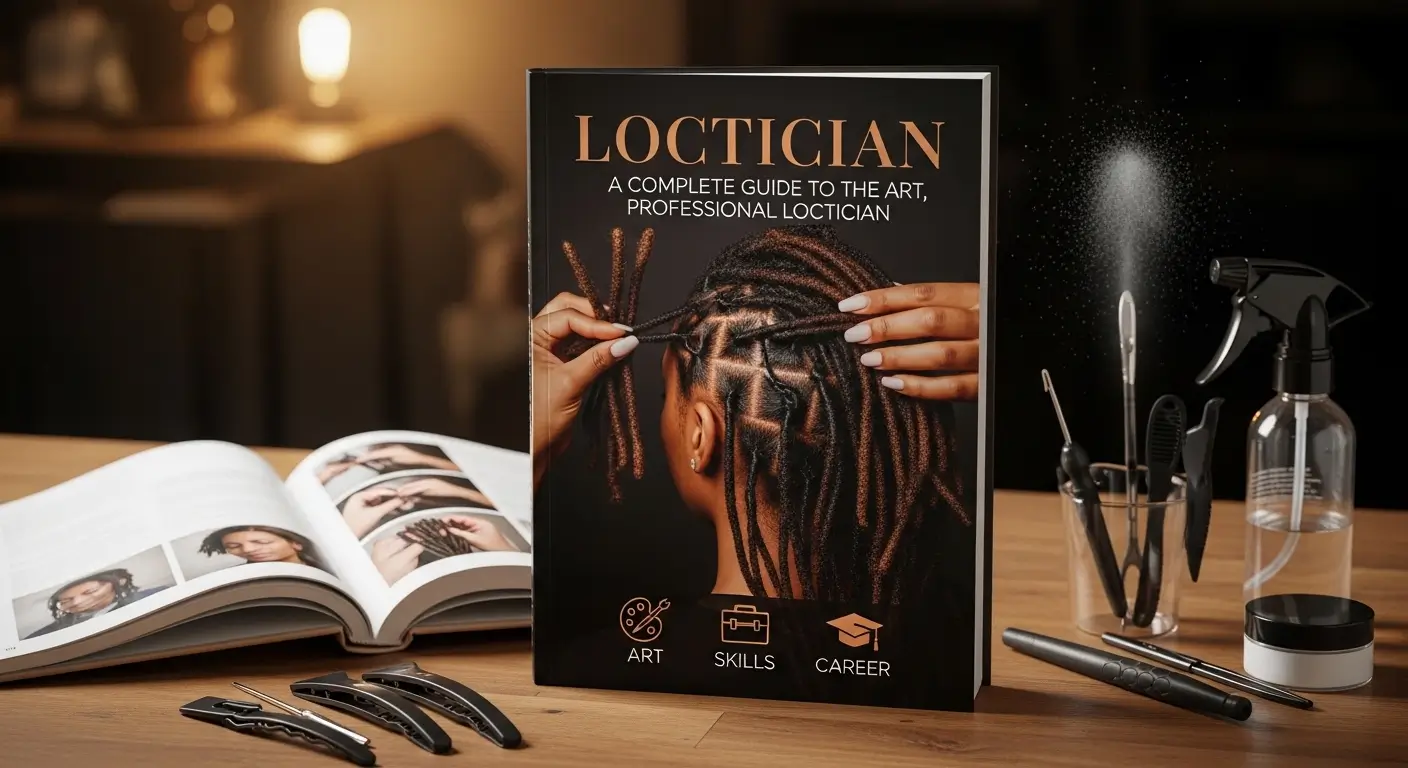
In today’s beauty and hair care industry, specialized professionals are becoming more important than ever. One such expert is a loctician—a skilled individual who focuses on creating, maintaining, and styling locs (also known as dreadlocks). A loctician is not just a hairstylist; they are an artist, a consultant, and a hair care expert all in one.
As more people embrace natural hair and protective styles, the demand for a professional loctician continues to grow. This guide will explain everything you need to know about a loctician, from their role and skills to career opportunities and tips for clients.
What Is a Loctician?
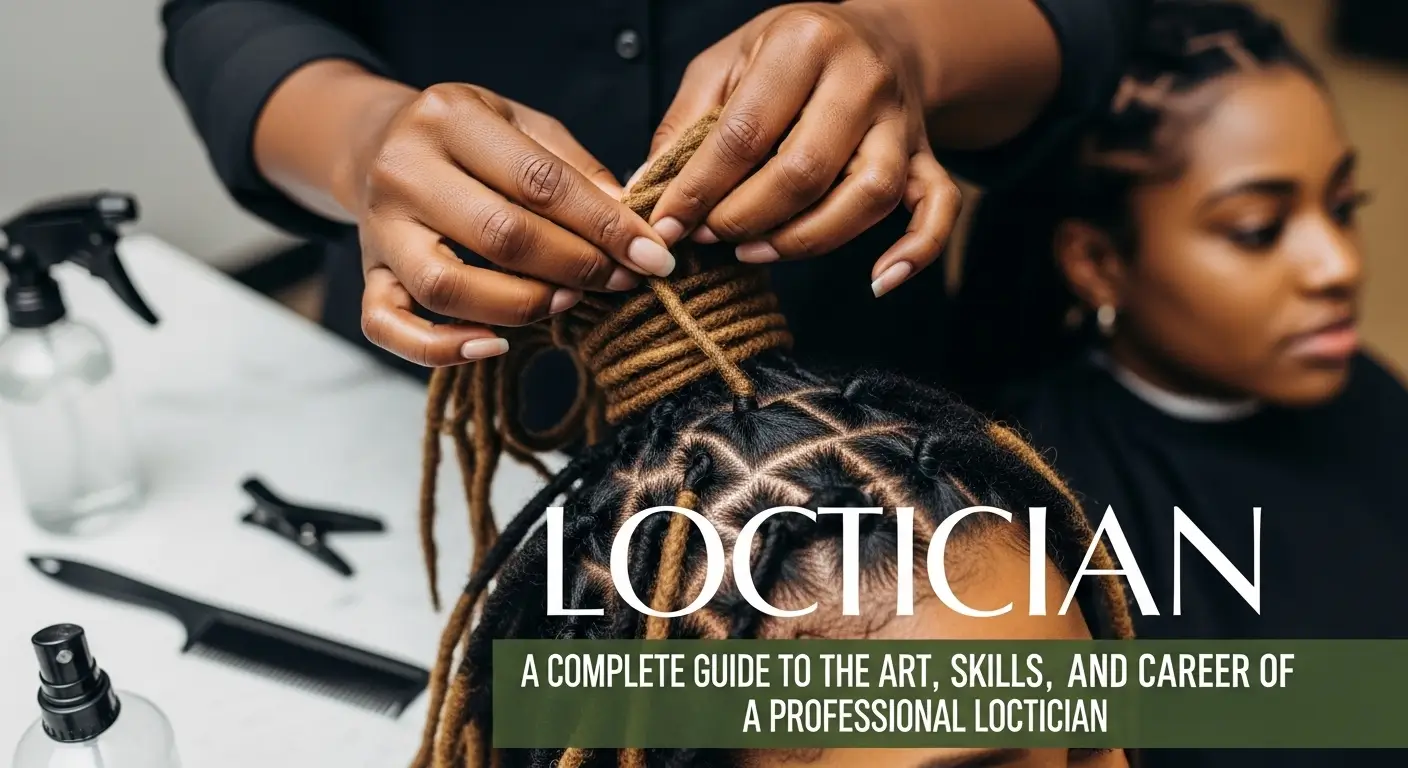
A loctician is a hair professional who specializes in locs. Locs are strands of hair that are intentionally matted and formed into rope-like sections. This style has cultural, historical, and personal significance for many people around the world.
A loctician provides services such as:
- Starting new locs
- Maintaining existing locs
- Styling locs for different occasions
- Repairing damaged locs
Unlike general hairstylists, a loctician has deep knowledge about natural hair textures and the unique care locs require.
The Growing Demand for Locticians
Rise of Natural Hair Movement
Over the past decade, more people have chosen to embrace their natural hair. This shift has increased the demand for professionals who understand natural textures and protective styles.
According to beauty industry reports:
- The natural hair care market has grown significantly worldwide
- More clients prefer low-maintenance and long-lasting hairstyles
- Protective styles like locs are gaining popularity
This trend has created strong career opportunities for anyone interested in becoming a loctician.
What Does a Loctician Do?
A loctician performs a wide range of services. Their role goes beyond styling—they help clients maintain healthy hair.
1. Starting Locs
One of the most important services is helping clients begin their loc journey.
Common methods include:
- Two-strand twists
- Comb coils
- Palm rolling
- Freeform methods
Each method depends on the client’s hair type and preference.
2. Maintenance and Retwisting
Regular maintenance is key to keeping locs neat and healthy.
A loctician:
- Retwists new growth
- Cleans the scalp
- Keeps locs evenly formed
Maintenance is usually done every 4–8 weeks.
3. Loc Styling
Locs can be styled in many creative ways.
Popular styles include:
- Updos
- Braided loc styles
- Bun and ponytail styles
- Wedding or event styling
A skilled loctician knows how to create stylish looks without damaging the locs.
4. Repair and Restoration
Over time, locs can become weak or damaged.
A loctician helps by:
- Fixing broken locs
- Reattaching locs
- Strengthening weak areas
This requires patience and expertise.
Skills Required to Become a Loctician
Technical Skills
A professional loctician must have strong hands-on skills, such as:
- Sectioning hair evenly
- Creating consistent loc sizes
- Managing different hair textures
Practice is essential to mastering these techniques.
Knowledge of Hair Care
Understanding hair health is critical.
A loctician should know:
- Proper washing techniques
- Scalp care
- Product selection
- How to prevent buildup
Healthy hair leads to strong locs.
Creativity
Styling locs requires creativity. Every client is different, and a loctician must adapt to individual preferences.
Communication Skills
A good loctician listens to clients and explains:
- What to expect during the loc journey
- Maintenance routines
- Possible challenges
Clear communication builds trust.
Tools Used by a Loctician
A loctician uses various tools to perform their work effectively.
Common tools include:
- Combs and sectioning clips
- Hair ties and bands
- Natural oils and products
- Hooded dryers or steamers
Using the right tools helps achieve better results.
Benefits of Visiting a Professional Loctician
Better Results
Professional work ensures:
- Neat and uniform locs
- Healthy scalp
- Long-lasting styles
Expert Advice
A loctician provides guidance on:
- Daily care routines
- Product choices
- Growth expectations
Time-Saving
Maintaining locs at home can be time-consuming. A loctician saves time and effort.
Challenges in the Loctician Profession
Physical Demands
The job requires:
- Standing for long hours
- Using hands continuously
This can be tiring over time.
Client Expectations
Clients often have high expectations. A loctician must balance creativity with realistic results.
Continuous Learning
Hair trends change, so a loctician must stay updated with new techniques and styles.
How to Become a Loctician
If you are interested in this career, here’s a simple path to follow.
Step 1: Learn the Basics
Start by:
- Practicing on friends or family
- Watching tutorials
- Learning different methods
Step 2: Get Training
Consider:
- Hair care courses
- Workshops on loc techniques
Formal training improves credibility.
Step 3: Practice Regularly
Skill improves with repetition. Focus on:
- Clean sectioning
- Consistent technique
Step 4: Build a Portfolio
Take photos of your work. This helps attract clients.
Step 5: Start Offering Services
Begin with:
- Local clients
- Social media promotion
Over time, your client base will grow.
Tips for Clients Visiting a Loctician
Choose the Right Loctician
Look for:
- Experience
- Positive reviews
- Clean working environment
Follow Aftercare Instructions
Proper care is essential for maintaining locs. Always follow your loctician’s advice.
Be Patient
Locs take time to mature. Trust the process.
Common Myths About Locticians and Locs
Myth 1: Locs Are Dirty
This is false. With proper care, locs are clean and healthy.
Myth 2: Locs Cannot Be Styled
Locs are very versatile and can be styled in many ways.
Myth 3: Anyone Can Maintain Locs Easily
While basic care is possible at home, professional maintenance ensures better results.
The Future of the Loctician Profession
Increasing Demand
As natural hair trends continue, more people are choosing locs. This means:
- More clients
- More opportunities
- Higher income potential
Social Media Growth
Many locticians grow their business through:
- TikTok
- Online portfolios
This helps them reach global audiences.
Expanding Services
Modern locticians offer:
- Hair consultations
- Custom styles
- Product recommendations
This makes their role even more valuable.
Why the Loctician Matters
A loctician plays an important role in both beauty and self-expression. They help clients:
- Feel confident
- Maintain healthy hair
- Express their personal style
Their work combines skill, care, and creativity.
Final Thoughts
A loctician is more than just a hairstylist—they are a specialist dedicated to the art and care of locs. From starting new locs to maintaining and styling them, a loctician helps clients on a unique hair journey.
Whether you are considering becoming a loctician or looking for one, understanding their role can help you make better decisions. With the growing popularity of natural hair, this profession offers both personal satisfaction and strong career potential.
In the end, being a loctician is about more than hair—it’s about confidence, culture, and creativity.