

In a world driven by constant movement—of data, energy, goods, and ideas—the concept of east stream is becoming increasingly relevant. While the term may sound simple, it carries deeper meaning depending on the context in which it is used. From geography and environmental science to global trade and digital systems, east stream represents a directional flow that shapes how systems operate and evolve.
This article explores east stream in detail. We will break down its meaning, examine its applications across different fields, and explain why it matters today. By the end, you will have a clear and practical understanding of east stream and how it influences everyday life.
What Is East Stream?
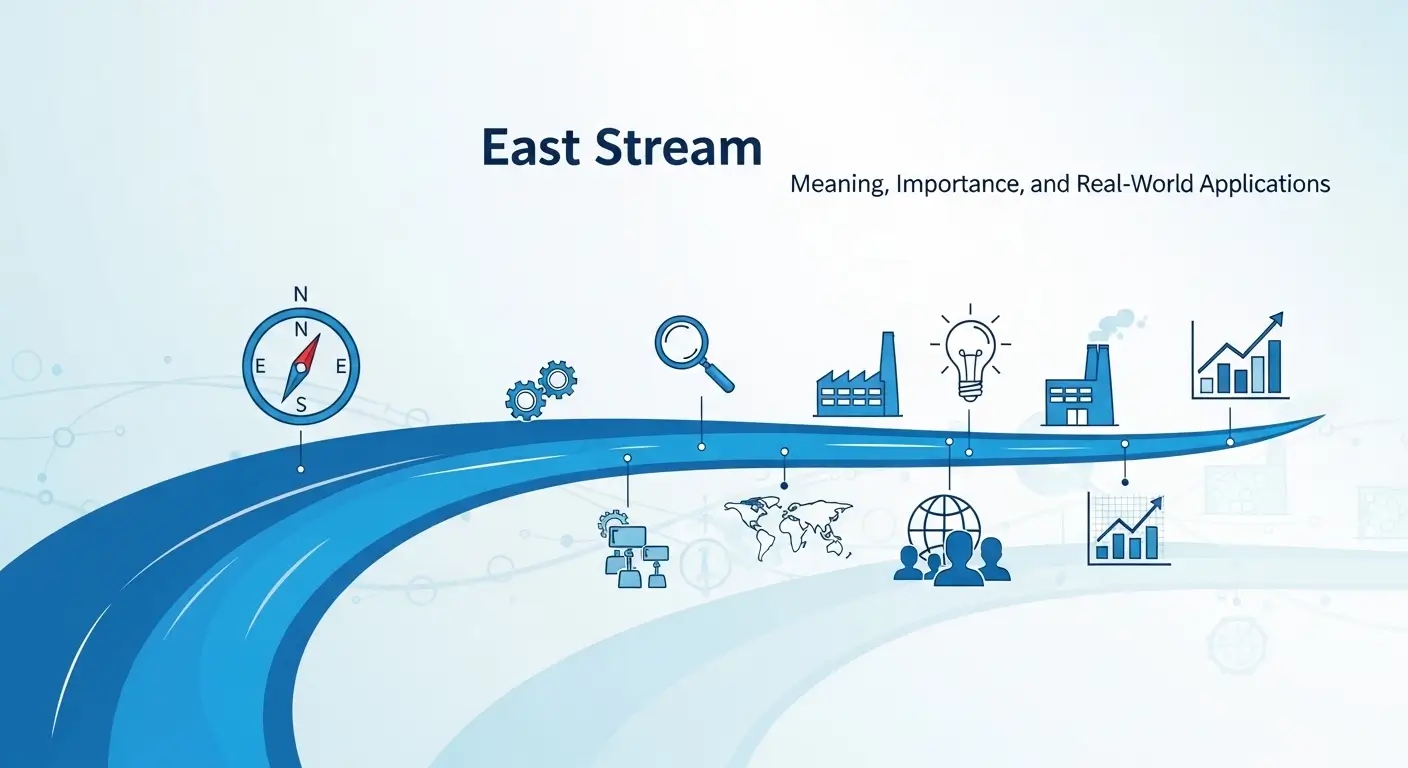
At its most basic level, east stream refers to a flow or movement directed toward the east. This flow can be physical, such as water in rivers or air currents, or abstract, such as data transfer, trade routes, or communication systems.
The meaning of east stream depends on context:
- In geography, it may describe rivers or ocean currents flowing eastward.
- In technology, it can refer to data moving in a specific direction.
- In business, it might represent trade or supply chains oriented toward eastern regions.
In simple terms, east stream is about directional flow with purpose and impact.
The Concept Behind East Stream
To better understand east stream, it helps to break it into two parts:
- East → A direction associated with sunrise, growth, and new beginnings
- Stream → A continuous flow or movement
When combined, east stream symbolizes progress, forward movement, and structured flow toward a defined direction.
This idea is not limited to physical movement—it can also represent growth trends, innovation pathways, and evolving systems.
East Stream in Geography and Nature
One of the most direct examples of east stream can be found in nature.
1. Rivers and Water Flow
Many rivers around the world follow eastward paths due to natural terrain and elevation. These east stream flows:
- Shape landscapes
- Support ecosystems
- Provide water for agriculture
For example:
- Rivers flowing toward eastern oceans often carry nutrients that support marine life
- Floodplains formed by east stream rivers are often fertile and ideal for farming
2. Ocean Currents
Ocean currents are another form of east stream. These currents influence:
- Climate patterns
- Marine ecosystems
- Weather systems
Interesting fact:
Ocean currents help distribute heat around the planet, making some regions warmer and others cooler.
3. Wind Patterns
In meteorology, eastward-moving air currents play a key role in:
- Weather forecasting
- Storm movement
- Seasonal climate changes
These east stream patterns affect daily life more than most people realize.
East Stream in Technology
In the digital age, east stream has taken on new meaning.
1. Data Flow Systems
In computing and networking, east stream can describe data moving in a specific direction across systems.
Examples include:
- Data transfer between servers
- Cloud computing processes
- Real-time streaming platforms
2. Content Streaming
Modern platforms rely heavily on streaming technology. East stream may refer to:
- Content delivery across regions
- Directional data routing
- Optimized streaming paths
With billions of users consuming digital content daily, efficient data flow is essential.
Statistic:
Over 65% of global internet traffic is related to streaming services, showing how critical structured data streams have become.
3. Automation and Workflow Systems
Businesses use automated systems where tasks follow a structured flow—similar to an east stream model.
Benefits include:
- Faster processing
- Reduced errors
- Improved efficiency
East Stream in Global Trade and Economics
East stream plays a major role in global trade patterns.
1. Trade Routes
Historically, many trade routes have followed eastward directions, connecting regions and enabling exchange.
Examples:
- Movement of goods from western countries to eastern markets
- Export systems targeting growing economies in Asia
2. Economic Growth Trends
In recent decades, economic growth has shifted toward eastern regions of the world.
This east stream trend includes:
- Rising markets in Asia
- Increased manufacturing in eastern countries
- Expansion of global supply chains
Fact:
Asia contributes a significant portion of global economic growth, highlighting the importance of east-directed trade flows.
3. Supply Chain Management
Modern supply chains often follow east stream patterns:
- Raw materials sourced from one region
- Manufacturing in another
- Distribution toward eastern markets
Efficient flow ensures:
- Timely delivery
- Cost reduction
- Better resource management
East Stream in Daily Life
While it may seem like a complex concept, east stream is present in everyday life.
Examples:
- Delivery systems moving goods across regions
- Internet data reaching your device
- Weather patterns affecting your city
- Transportation networks
Even simple activities, like watching a video online, rely on structured data streams similar to east stream systems.
Benefits of Understanding East Stream
Learning about east stream can provide several advantages:
1. Better Awareness
You understand how systems around you work.
2. Improved Decision-Making
Businesses and individuals can make smarter choices based on flow patterns.
3. Increased Efficiency
Recognizing flow systems helps in optimizing processes.
4. Adaptability
Understanding trends allows you to adapt to changes quickly.
How to Apply East Stream Concepts
You can use east stream ideas in your own life or work.
Step-by-Step Approach:
1. Identify Flow
- What is moving?
- In which direction?
2. Analyze Structure
- Is the flow organized?
- Are there delays or inefficiencies?
3. Optimize Process
- Remove unnecessary steps
- Improve speed and clarity
4. Monitor Results
- Track progress
- Make improvements
Challenges Associated with East Stream
Despite its benefits, east stream systems can face challenges:
1. Overdependence on Direction
Relying too much on one direction can limit flexibility.
2. System Failures
If one part of the stream fails, it can affect the entire system.
3. Environmental Impact
In natural systems, changes in flow can disrupt ecosystems.
4. Data Overload
In digital systems, excessive data flow can lead to congestion.
East Stream vs Other Flow Models
Let’s compare east stream with other directional systems:
| Flow Type | Description | Key Feature |
|---|---|---|
| East Stream | Eastward movement | Growth and expansion |
| West Flow | Westward movement | Return or redistribution |
| Circular Flow | Continuous loop | Sustainability |
| Random Flow | Unstructured movement | Unpredictability |
East stream stands out because of its clear direction and purpose.
Real-World Example of East Stream
Imagine an online shopping platform:
- A customer places an order
- Data moves through servers
- Warehouse processes the request
- Product is shipped
This entire process follows a structured flow—similar to an east stream model—where each step moves forward in a defined direction.
Future of East Stream
As technology and global systems evolve, east stream will continue to grow in importance.
Future Trends:
- Faster data streaming technologies
- Smarter supply chain systems
- AI-driven flow optimization
- Sustainable environmental management
These developments will make east stream systems more efficient and impactful.
Expert Tips for Understanding East Stream
- Think in terms of flow and direction
- Focus on structure and efficiency
- Observe real-world systems around you
- Start applying concepts in small tasks
Frequently Asked Questions
What does east stream mean in simple terms?
It means a flow or movement directed toward the east or a specific forward direction.
Is east stream only about geography?
No, it applies to technology, business, and daily life as well.
Why is east stream important?
It helps improve efficiency, organization, and understanding of systems.
Can individuals use east stream concepts?
Yes, anyone can apply these ideas to improve productivity and planning.
Conclusion
East stream is a powerful concept that goes beyond simple direction. It represents organized flow, purposeful movement, and efficient systems across multiple fields. From natural processes to digital networks and global trade, east stream plays a key role in shaping how the world functions.
By understanding and applying east stream principles, you can improve how you manage tasks, analyze systems, and adapt to change. In a fast-moving world, recognizing the importance of structured flow can make a significant difference.