
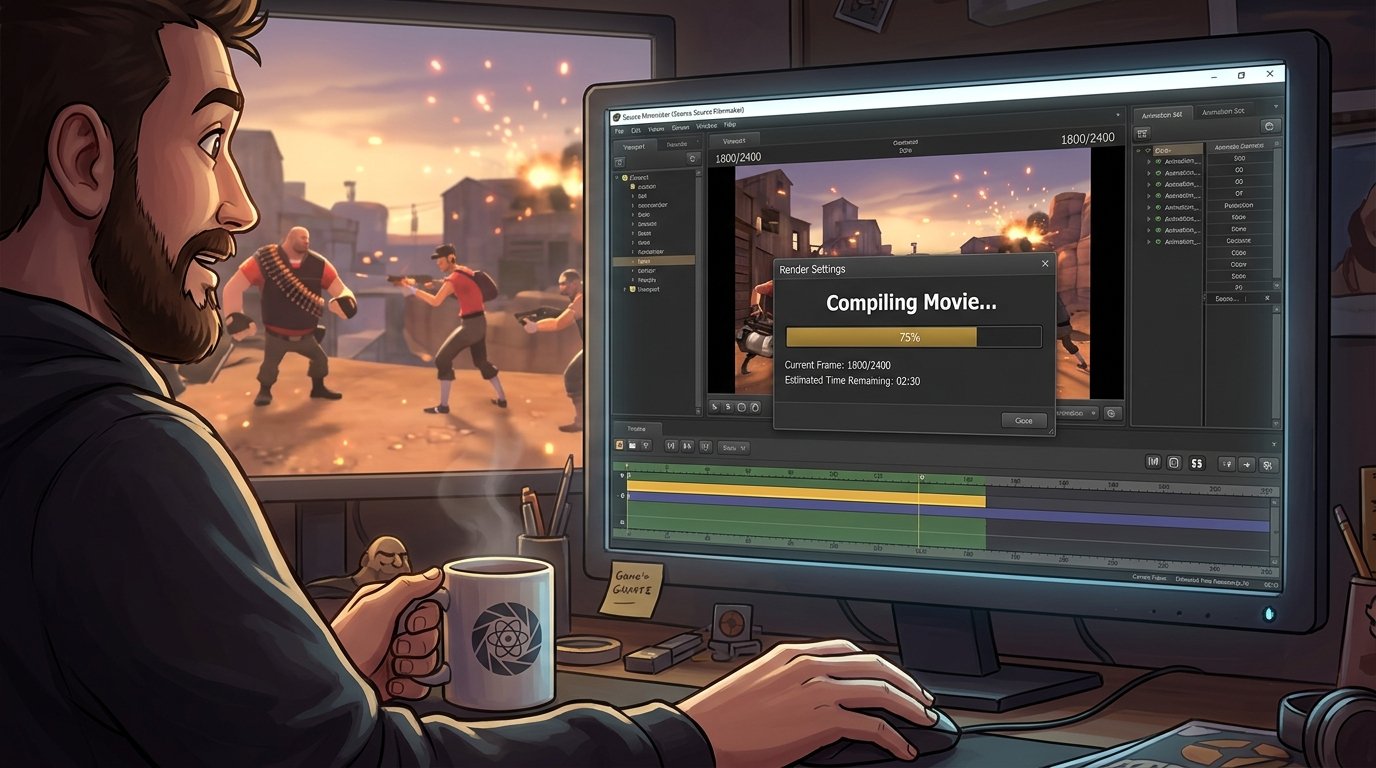
The world of 3D animation has grown rapidly over the last decade, and one tool that continues to attract creators is sfm compile. Whether you are creating animated videos, game assets, cinematic scenes, or custom character models, understanding sfm compile can significantly improve your workflow and final results.
Many beginners hear the term but struggle to understand what it actually means. Others know the basics but want better performance, cleaner textures, smoother animations, and fewer compile errors. This guide explains everything in a clear and practical way.
If you are interested in Source Filmmaker, custom assets, modding, or animation production, learning sfm compile is an essential step.
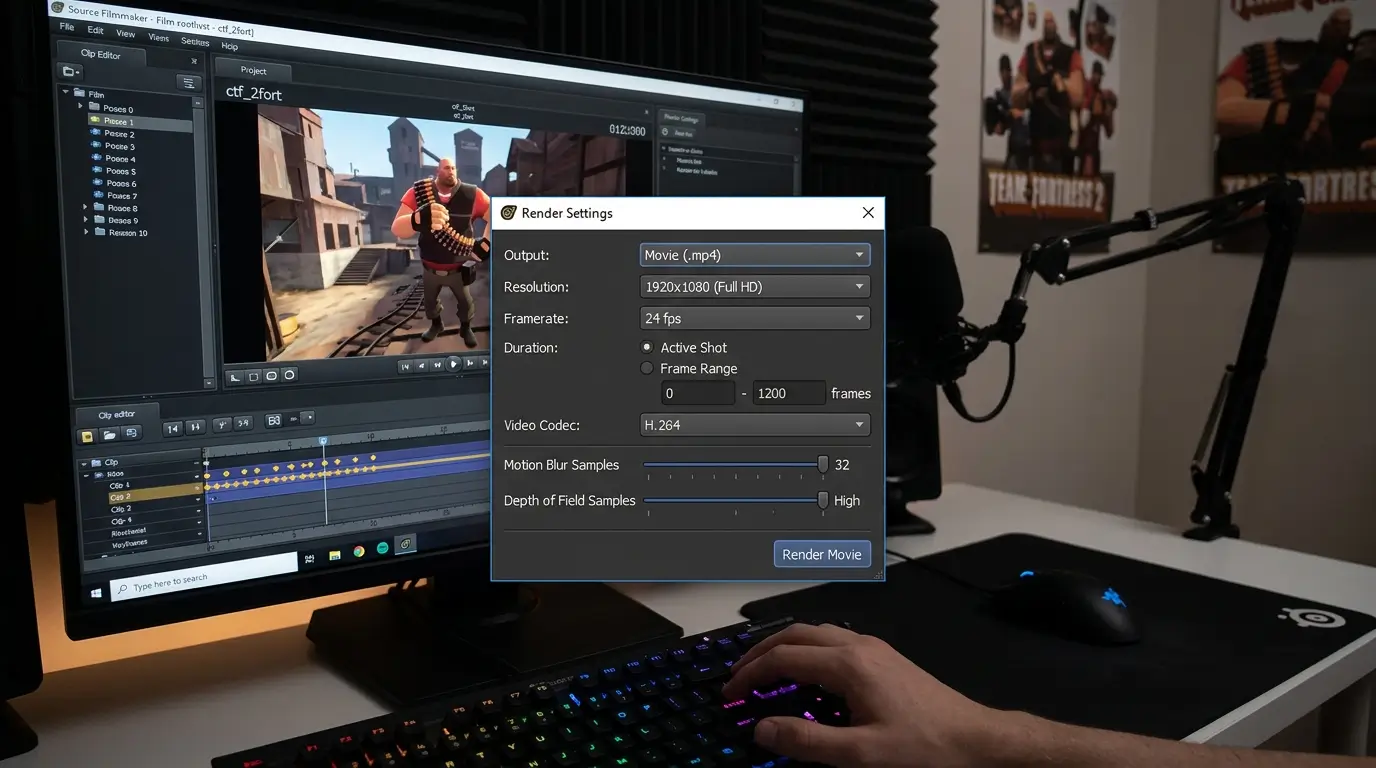
SFM compile refers to the process of converting files into formats that work properly inside Source Filmmaker (SFM). Source Filmmaker is Valve’s animation and movie-making tool built on the Source Engine.
When creators design:
- 3D models
- Textures
- Animations
- Maps
- Particles
- Materials
those files usually cannot be used directly in SFM. They first need to go through a compile process.
In simple words, sfm compile transforms raw project files into game-ready assets that SFM can read and display correctly.
Table of Contents
ToggleWhy SFM Compile Is Important
Without proper compiling, many assets will not function correctly inside Source Filmmaker.
Common issues include:
- Missing textures
- Broken animations
- Invisible models
- Lighting problems
- Physics errors
- Game crashes
The sfm compile process helps organize and optimize files so the engine can understand them properly.
This process is important for:
- Animators
- Mod creators
- 3D artists
- Game developers
- Content creators
- Workshop uploaders
Understanding Source Filmmaker
Before learning sfm compile in depth, it helps to understand what Source Filmmaker actually is.
Source Filmmaker is a free 3D animation tool developed by Valve.
It allows users to create:
- Cinematic videos
- Short films
- Character animations
- Meme videos
- Action scenes
- Game-inspired movies
The software became popular because it uses the same assets and engine systems found in games like:
- Team Fortress 2
- Half-Life 2
- Portal 2
Over time, creators started importing custom assets, leading to the growing importance of sfm compile workflows.
How SFM Compile Works
The sfm compile process usually involves several stages.
1. Creating the Original Asset
Artists first create content using software such as:
- Blender
- Maya
- 3ds Max
- Photoshop
- Substance Painter
These programs generate raw files like:
- FBX
- SMD
- QC
- VTF
- TGA
2. Preparing the Files
Before compiling, creators organize:
- Model geometry
- Bones and rigging
- Textures
- Materials
- Animation sequences
Incorrect file setup is one of the biggest causes of compile failures.
3. Running Compile Tools
Compile tools convert the files into Source Engine formats.
Common outputs include:
| File Type | Purpose |
|---|---|
| MDL | Model file |
| VTX | Vertex data |
| VVD | Vertex animation |
| PHY | Physics data |
| VTF | Texture format |
| VMF | Map format |
These files become readable inside Source Filmmaker.
4. Testing Inside SFM
After compiling, creators test the asset inside Source Filmmaker.
This stage helps identify:
- Texture bugs
- Rigging issues
- Animation glitches
- Lighting problems
- Missing files
Testing is critical because even small mistakes can break a scene.
Common Tools Used in SFM Compile
Several tools are commonly used during sfm compile workflows.
Crowbar
One of the most popular Source Engine compile tools.
Features include:
- Model compiling
- Decompiling
- QC editing
- Animation support
Many beginners start with Crowbar because it simplifies the compile process.
Blender Source Tools
These tools help export models from Blender into Source-compatible formats.
They are widely used because Blender itself is free and powerful.
VTFEdit
Used for converting textures into VTF format for Source Engine compatibility.
Without correct texture compiling, materials may appear:
- Purple
- Black
- Invisible
- Reflective incorrectly
Hammer Editor
Used for compiling Source Engine maps and environments.
Popular among level designers and environment creators.
SFM Compile File Types Explained
Understanding file types makes sfm compile much easier.
QC Files
QC files are script files that control how models compile.
They define:
- Model paths
- Materials
- Animations
- Physics settings
- Body groups
A small error in the QC file can stop compilation completely.
SMD Files
SMD files contain:
- Mesh data
- Skeleton information
- Animation data
They act as a bridge between 3D software and Source Engine tools.
VTF Files
VTF stands for Valve Texture Format.
These files store textures optimized for Source Engine rendering.
MDL Files
MDL files are compiled model files used directly inside SFM.
Without successful MDL generation, the model will not appear properly.
Beginner Mistakes During SFM Compile
Many newcomers experience problems during their first sfm compile attempts.
Here are the most common mistakes.
Incorrect Folder Structure
Source Engine relies heavily on organized folders.
Wrong paths often cause:
- Missing textures
- Compile errors
- Broken materials
Broken Bone Hierarchies
Improper rigging can result in:
- Distorted animations
- Exploding meshes
- Unmovable characters
Unsupported Texture Sizes
Very large textures may fail or reduce performance.
Most creators use optimized resolutions like:
- 1024×1024
- 2048×2048
Missing Material Files
Sometimes users compile textures but forget material definitions.
This creates the famous purple-and-black checkerboard appearance.
How to Improve SFM Compile Performance
Efficient compiling saves time and improves workflow quality.
Keep File Names Simple
Avoid:
- Special symbols
- Long names
- Spaces
Simple file names reduce path problems.
Optimize Polygon Count
High-poly models can slow down:
- Compile times
- Rendering
- Scene playback
Optimization is important for smoother performance.
Compress Textures Properly
Huge texture files increase memory usage.
Use balanced compression for better results.
Organize Assets Clearly
Good folder organization helps avoid confusion later.
Recommended folders:
- Models
- Materials
- Textures
- Animations
- Maps
SFM Compile for Animations
Animation compiling is one of the most important areas of SFM production.
Animations include:
- Character movement
- Facial expressions
- Action sequences
- Camera motion
Compiling animations correctly ensures smooth playback inside SFM.
Animation Export Process
The basic workflow often looks like this:
- Create animation in Blender or Maya
- Export SMD files
- Configure QC scripts
- Run compile tools
- Test inside SFM
Even experienced animators sometimes repeat this process multiple times before achieving perfect results.
SFM Compile for Custom Characters
Custom characters are extremely popular in the Source Filmmaker community.
Creators often import:
- Original characters
- Game characters
- Stylized avatars
- Fantasy creatures
- Robots
- Anime-inspired models
Each custom model requires careful sfm compile preparation.
Important Character Features
Facial Rigging
Allows expressions and lip-sync animations.
Physics
Adds realistic movement to:
- Hair
- Clothing
- Accessories
Materials
Controls how surfaces react to lighting.
Hitboxes
Useful for physics interactions and posing.
Texture Optimization in SFM Compile
Textures strongly affect visual quality.
Poor texture setup can ruin an otherwise excellent model.
Best Texture Practices
Use Proper Resolutions
Balance detail and performance.
Create Clean UV Maps
Bad UV mapping causes stretched textures.
Test Lighting Frequently
Different lighting conditions reveal texture problems.
Use Normal Maps
Normal maps add extra detail without increasing polygon count.
SFM Compile and Lighting
Lighting is one of the biggest strengths of Source Filmmaker.
Compiled assets must react properly to light sources.
Incorrect material settings may cause:
- Overexposure
- Flat shading
- Reflection problems
- Dark surfaces
Testing under multiple lighting setups is important.
Advanced SFM Compile Techniques
Experienced creators often use advanced methods for better quality.
Custom Shaders
Shaders improve visual realism.
Examples include:
- Metallic effects
- Skin shading
- Transparency
- Glow effects
Procedural Materials
Some artists use layered materials for dynamic appearances.
Physics Simulation
Advanced rigs include realistic cloth and hair movement.
LOD Optimization
LOD means Level of Detail.
Different model versions load depending on camera distance to improve performance.
Common SFM Compile Errors and Fixes
Errors are a normal part of the workflow.
Here are some frequent issues and solutions.
| Problem | Possible Cause | Solution |
|---|---|---|
| Missing textures | Incorrect paths | Check material folders |
| Model invisible | Failed compile | Review QC file |
| Animation broken | Rig mismatch | Re-export skeleton |
| Purple textures | Missing VMT files | Create proper materials |
| Crash on load | Corrupted files | Recompile assets |
Learning to troubleshoot compile problems is a major skill for creators.
SFM Compile for Game Mods
Many mod creators use sfm compile workflows to import assets into Source-based games.
Popular uses include:
- Weapon skins
- Character replacements
- Custom maps
- Cinematic sequences
- Fan-made content
This has helped build a massive online modding community.
Why SFM Compile Still Matters Today
Even though newer engines exist, Source Filmmaker remains popular because of:
- Strong community support
- Free access
- Huge asset libraries
- Easy cinematic tools
- Nostalgic Source Engine style
Thousands of creators still produce animations regularly using SFM.
Online platforms continue showcasing:
- Short films
- Comedy videos
- Action animations
- Music videos
- Tutorials
As long as the community stays active, sfm compile knowledge will remain valuable.
Tips for Beginners Learning SFM Compile
Starting can feel overwhelming, but the learning curve becomes easier with practice.
Start Small
Begin with:
- Simple props
- Basic textures
- Small animations
Avoid huge projects at first.
Follow Community Tutorials
The Source Filmmaker community has many helpful guides and forums.
Watching experienced creators speeds up learning.
Keep Backup Files
Always save backup versions before major edits.
Practice Troubleshooting
Compile errors teach valuable lessons.
Every mistake improves understanding.
The Role of Communities in SFM Compile Learning
Community support is one of the biggest strengths of the SFM ecosystem.
Creators share:
- Tutorials
- Assets
- Compile fixes
- Workflow tips
- Rigging advice
Popular online communities often help beginners solve issues quickly.
Many professional animators actually started by experimenting with Source Filmmaker as hobbyists.
Future of SFM Compile
Technology continues evolving, but sfm compile workflows are still relevant for many creators.
Possible future developments include:
- Improved export tools
- Better Blender integration
- Faster compile systems
- Higher-quality rendering support
- AI-assisted animation workflows
Even as modern engines grow more advanced, Source Filmmaker maintains a unique place in internet culture and animation history.
Frequently Asked Questions About SFM Compile
Is SFM Compile Difficult for Beginners?
It can seem confusing at first, but beginners usually improve quickly with practice and tutorials.
Can Blender Be Used for SFM Compile?
Yes. Blender is one of the most popular tools used for Source Engine workflows.
Why Are My Textures Missing?
Usually because:
- File paths are wrong
- Materials are missing
- Texture files are not compiled correctly
What Is the Most Important File in SFM Compile?
Many creators consider the QC file extremely important because it controls the compile process.
Can SFM Compile Custom Animations?
Yes. Custom animations are one of the main reasons creators learn the workflow.
Final Thoughts
SFM compile is one of the core foundations of creating custom content for Source Filmmaker. From character models and animations to textures and maps, compiling allows creators to turn raw project files into fully functional assets.
Although the process may feel technical at first, learning sfm compile opens the door to creative freedom. Artists can build original worlds, create cinematic stories, design custom characters, and produce impressive animations used by millions of viewers online.
The key to success is patience, organization, and consistent practice. Every creator faces compile errors, broken models, and failed exports at some point. Over time, these challenges become valuable learning experiences.
Whether you are a beginner exploring Source Filmmaker for the first time or an experienced creator improving advanced workflows, mastering sfm compile can dramatically improve the quality, performance, and professionalism of your projects.