
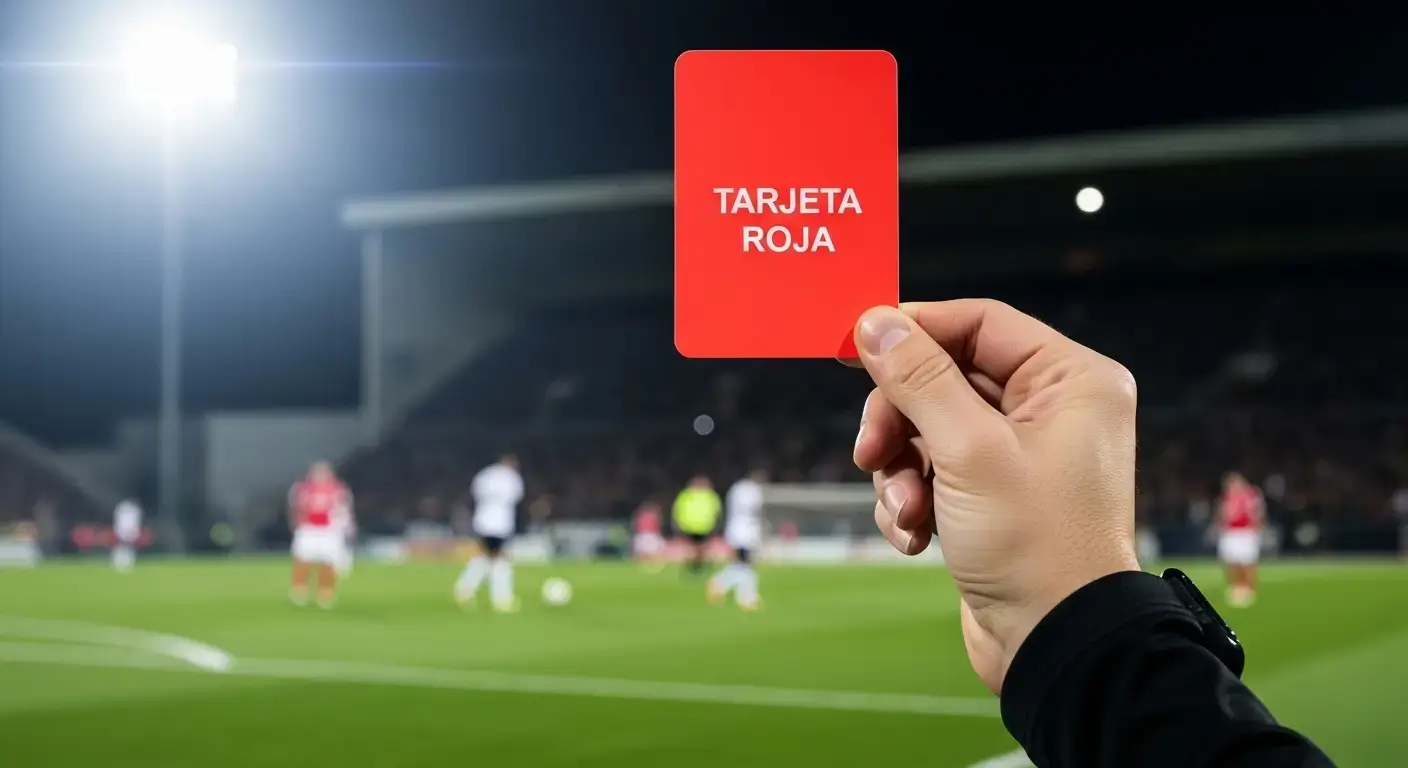
In the world of football (soccer), few moments are as dramatic and game-changing as a tarjeta roja. Whether you are watching a local match or a major international tournament, the sight of a referee pulling out a red card instantly shifts the mood of the game.
A tarjeta roja is more than just a penalty—it is a powerful decision that can change the outcome of a match, affect team strategy, and even impact a player’s career. In this detailed guide, we will explore what tarjeta roja means, when it is given, its effects on the game, and why it plays such an important role in football.
What Is a Tarjeta Roja?
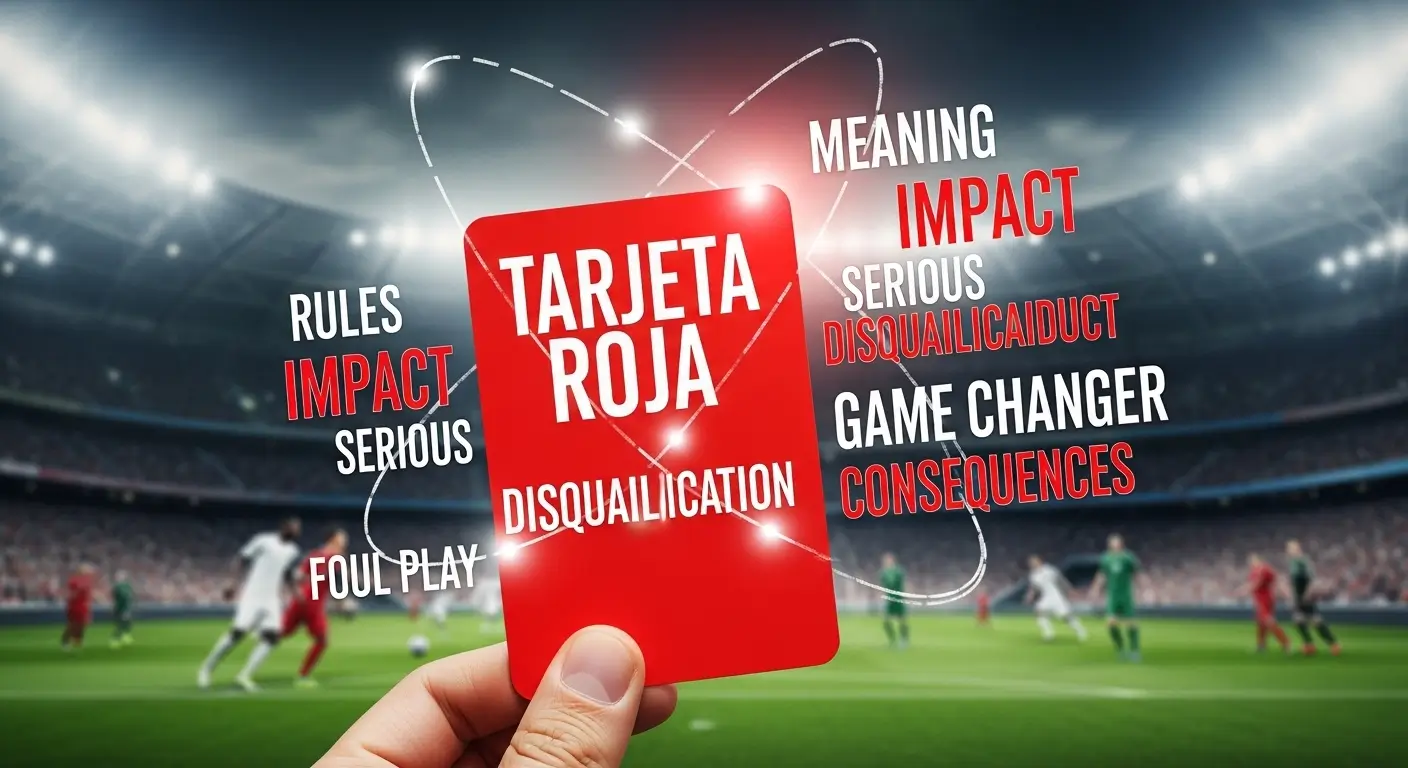
The term tarjeta roja comes from Spanish and simply means “red card.” It is used in football to indicate that a player has committed a serious offense and must leave the field immediately.
When a player receives a tarjeta roja:
- They are sent off the field
- They cannot return to the game
- Their team must continue with one fewer player
This rule applies to both players and, in some cases, team officials like coaches.
The History of the Tarjeta Roja
How the Red Card System Started
The red and yellow card system was introduced in football during the late 1960s. The idea was to create a clear and universal way for referees to communicate decisions.
Before cards were used, referees had to rely on verbal warnings, which often caused confusion—especially in international matches where players spoke different languages.
First Major Use
The system was officially introduced in the 1970 FIFA World Cup, making it easier for players and fans to understand decisions instantly.
When Is a Tarjeta Roja Given?
A tarjeta roja is shown when a player commits a serious foul or breaks the rules in a major way. The laws of the game clearly define these situations.
Common Reasons for a Tarjeta Roja
A player may receive a tarjeta roja for:
- Serious foul play (dangerous tackles)
- Violent conduct (hitting or aggressive behavior)
- Spitting at another person
- Denying a clear goal-scoring opportunity (handball or foul)
- Using offensive or abusive language
- Receiving two yellow cards in one match
Each of these actions is considered unacceptable and goes against fair play.
Direct Red Card vs Second Yellow Card
There are two main ways a player can receive a tarjeta roja.
1. Direct Red Card
This is given immediately for serious offenses. The referee does not need to show a yellow card first.
2. Second Yellow Card
If a player receives two yellow cards in the same match:
- The second yellow automatically becomes a tarjeta roja
- The player is sent off
This system allows referees to control behavior throughout the game.
Impact of a Tarjeta Roja on the Game
Playing With Fewer Players
When a team loses a player due to a tarjeta roja, they must continue with one less player. This creates a major disadvantage.
Effects include:
- Less control of the ball
- Increased pressure from the opposing team
- Changes in formation and strategy
Tactical Adjustments
Teams often need to adjust quickly after a tarjeta roja.
For example:
- A striker may be replaced with a defender
- The team may focus more on defense
- Counter-attacks become more important
Coaches must think fast to adapt.
Psychological Impact
A tarjeta roja can affect players mentally.
- The team losing a player may feel pressure
- The opposing team may gain confidence
- The sent-off player may feel frustration or regret
This emotional shift often influences the rest of the match.
Famous Tarjeta Roja Moments
Over the years, there have been many unforgettable tarjeta roja incidents in football.
Notable Examples
- A player sent off early in a final, changing the entire match
- Controversial red cards leading to debates among fans
- Key players missing important matches due to suspension
These moments show how powerful a tarjeta roja decision can be.
Statistics and Facts About Tarjeta Roja
- On average, professional leagues see 2–5 red cards per round of matches
- Defensive players are more likely to receive a tarjeta roja
- High-pressure games often have more red cards
- Referees use VAR (Video Assistant Referee) to review serious incidents
These facts highlight how common and important red cards are in modern football.
The Role of Referees
Decision-Making Responsibility
Referees have the authority to issue a tarjeta roja. Their decision must be:
- Fair
- Accurate
- Based on the rules
This is not always easy, especially in fast-paced matches.
Use of VAR Technology
Modern football uses VAR to assist referees.
VAR helps:
- Review serious fouls
- Confirm or overturn decisions
- Ensure fairness
However, final decisions still rest with the referee.
Rules After Receiving a Tarjeta Roja
When a player receives a tarjeta roja, several rules apply.
Immediate Consequences
- The player must leave the field
- They cannot sit on the bench
- They cannot return to the game
Suspension
In most cases, the player will:
- Miss at least one future match
- Face longer bans for serious offenses
This affects both the player and the team.
Tarjeta Roja in Different Competitions
The rules for tarjeta roja are generally the same worldwide, but punishments may vary slightly.
League Matches
- Usually result in a one-match suspension
International Tournaments
- Suspensions may carry over to future matches
- Strict rules apply due to high competition
Youth and Amateur Levels
- Rules are similar but may be enforced differently
- Focus is often on learning and discipline
How Players Avoid a Tarjeta Roja
Professional players train to avoid situations that could lead to a tarjeta roja.
Key Strategies
- Stay calm under pressure
- Avoid reckless tackles
- Respect referees and opponents
- Maintain discipline throughout the match
Good behavior helps players stay on the field.
The Importance of Discipline in Football
The tarjeta roja system exists to maintain fairness and safety in the game.
Without it:
- Dangerous play would increase
- Matches could become chaotic
- Player safety would be at risk
Discipline ensures that football remains enjoyable and competitive.
Tarjeta Roja Beyond Football
While most commonly used in football, the concept of a red card is also used in other sports and situations.
Examples
- Some indoor sports use similar penalty systems
- The term “red card” is sometimes used metaphorically in everyday language
It has become a global symbol of serious consequences.
Common Misunderstandings About Tarjeta Roja
“All Fouls Lead to Red Cards”
Not true. Only serious offenses result in a tarjeta roja. Minor fouls usually result in free kicks or yellow cards.
“Referees Are Always Right”
Referees are human and can make mistakes. This is why VAR was introduced to improve accuracy.
“Red Cards Always Decide the Match”
While a tarjeta roja has a big impact, teams can still win with fewer players through strong strategy and teamwork.
Why Fans Find Tarjeta Roja Moments Exciting
From a viewer’s perspective, tarjeta roja moments are intense and emotional.
Fans enjoy:
- The drama of the decision
- The reaction of players and coaches
- The change in game dynamics
These moments often become the highlight of a match.
The Future of Tarjeta Roja in Football
Improved Technology
With advancements in technology:
- VAR will become more accurate
- Decisions will be faster and clearer
Stricter Enforcement
Football authorities continue to:
- Promote fair play
- Reduce dangerous behavior
The tarjeta roja will remain an essential tool in achieving these goals.
Final Thoughts
The tarjeta roja is one of the most powerful elements in football. It represents discipline, fairness, and the importance of respecting the rules of the game. While it can be controversial at times, its role in maintaining order and safety is undeniable.
For players, it serves as a reminder to stay focused and controlled. For teams, it is a challenge to adapt and overcome. And for fans, it adds drama and excitement to every match.
Understanding the tarjeta roja helps you appreciate the game on a deeper level. It is not just about punishment—it is about protecting the spirit of football and ensuring that the game remains fair for everyone involved.